
Design System Handoff: Keep Intent from Sketch to Code
A robust design system handoff preserves spacing, colors, and interaction rules, cutting onboarding time and preventing UI drift as teams scale.

Field notes on product strategy, delivery, launch work, AI tooling, and the systems behind teams that outgrew spreadsheets.
A robust design system handoff preserves spacing, colors, and interaction rules, cutting onboarding time and preventing UI drift as teams scale.

Learn how to pick a B2B customer portal pricing model—subscription, usage‑based, tiered or hybrid—that matches your business goals, boosts retention, and scales with growth.

A structured MVP scoping checklist helps founders turn ideas into a concrete plan, prioritize features, and set a single success metric, lowering risk and keeping budgets on track.
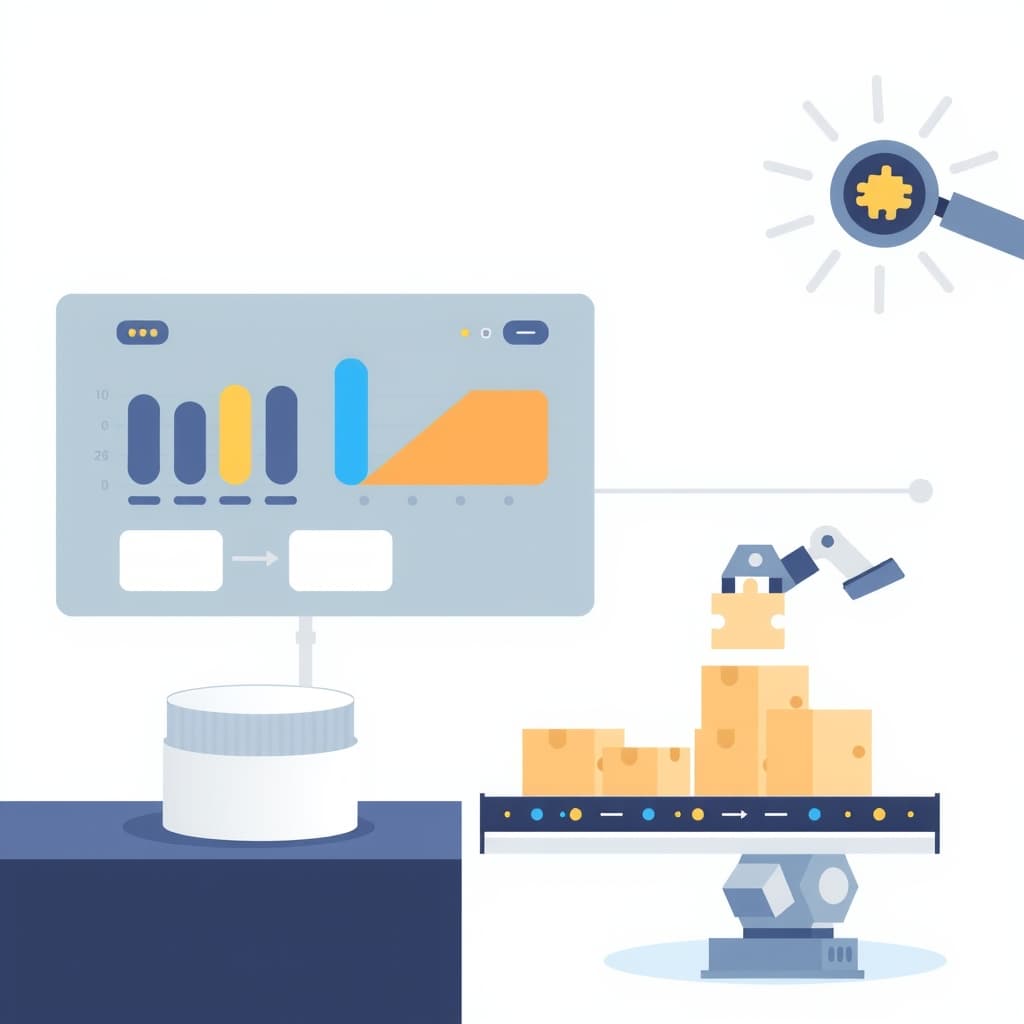
Discover actionable levers—right model size, token management, and Retrieval‑Augmented Generation—to control AI costs without sacrificing SaaS quality.
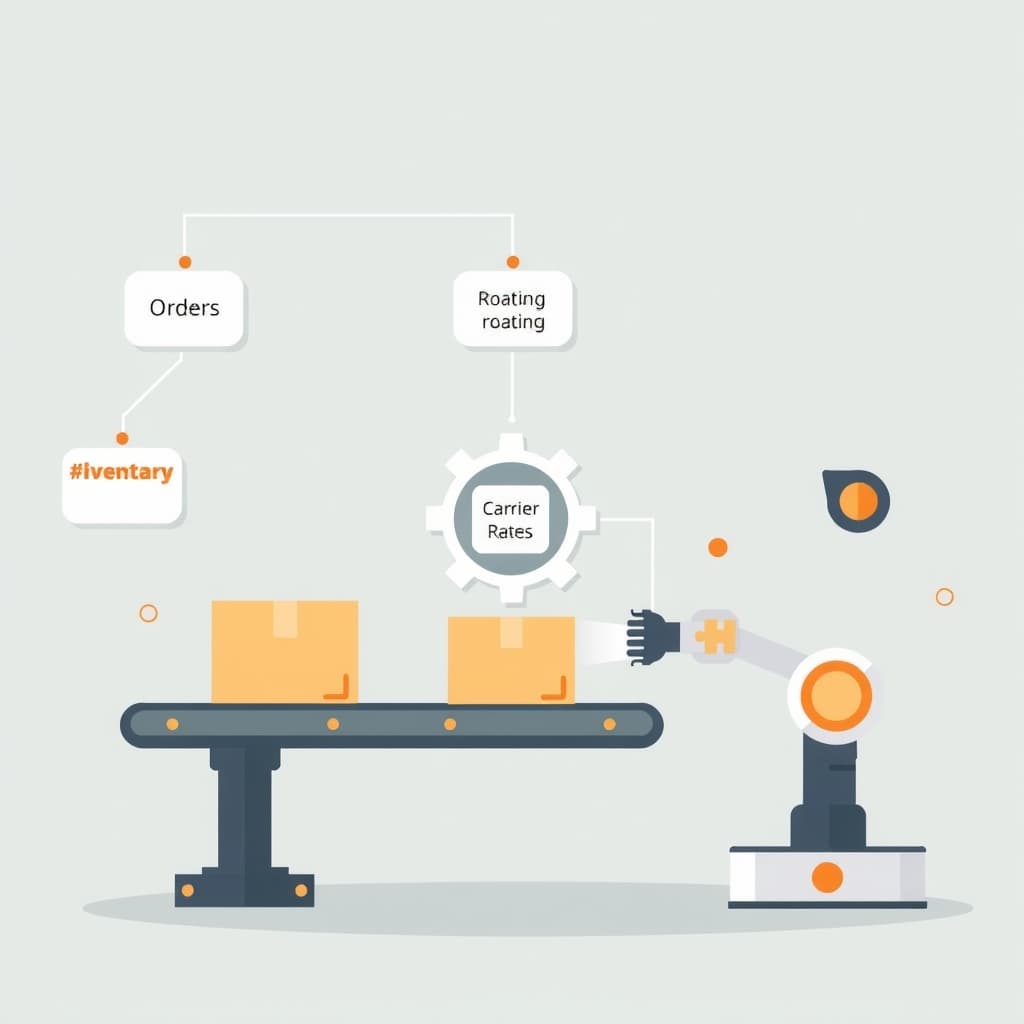
Custom software transforms e‑commerce fulfillment by automating order routing, syncing inventory in real time, and optimizing carrier rates, delivering faster, error‑free deliveries.

A post-launch incident response plan transforms firefighting into a repeatable process, ensuring rapid detection, clear escalation, swift resolution, and continuous learning for SaaS stability.

Follow 7 practical steps to quantify internal ops dashboard ROI, from mapping manual processes to measuring cost, time, and decision speed gains.
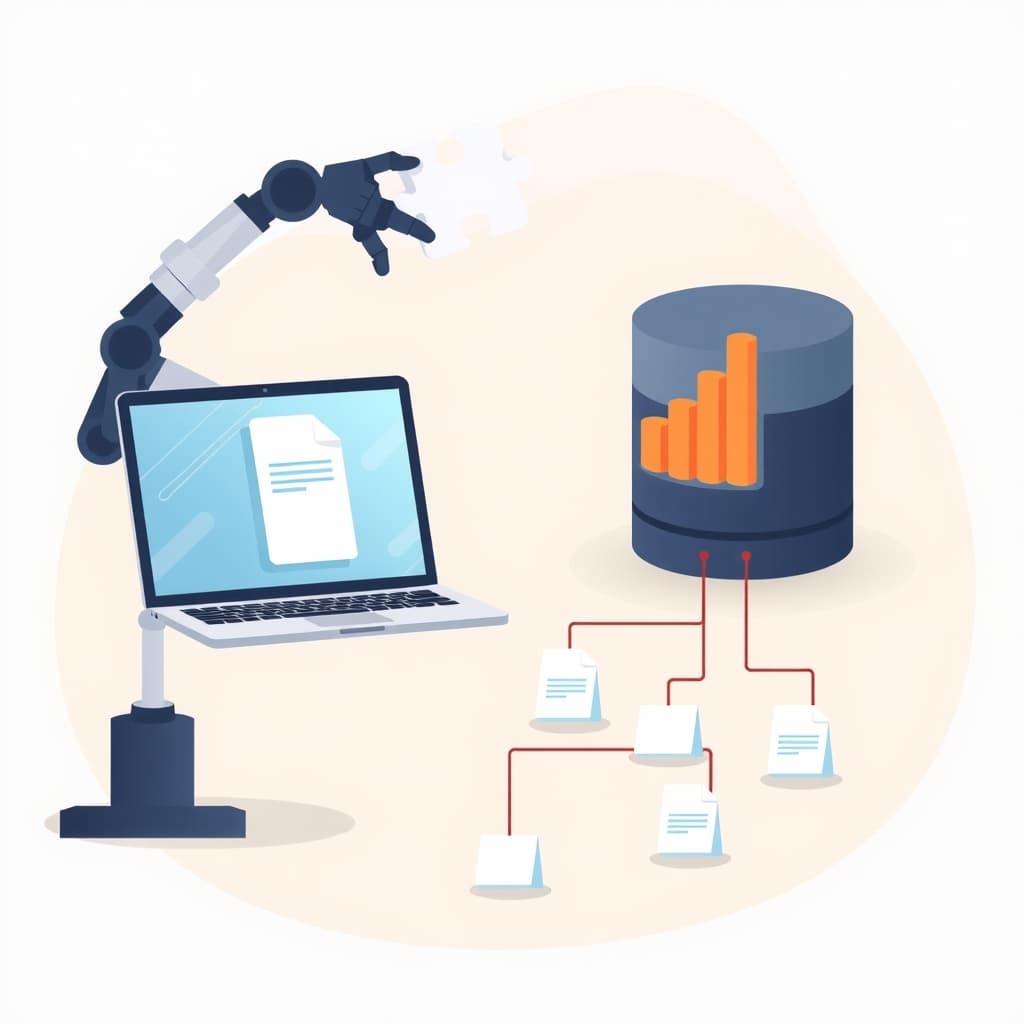
AI document processing automation lets founders replace manual PDF handling with fast, accurate data extraction, freeing teams for higher‑value work and boosting scaling potential.

Next.js Incremental Static Regeneration lets SaaS founders serve CDN‑cached pages with sub‑second latency while automatically updating content in the background, delivering speed, cost savings, and scalability.

A founder’s guide to choosing build or buy: weigh cost, time‑to‑value, control, and hidden scaling risks to align software decisions with business outcomes.
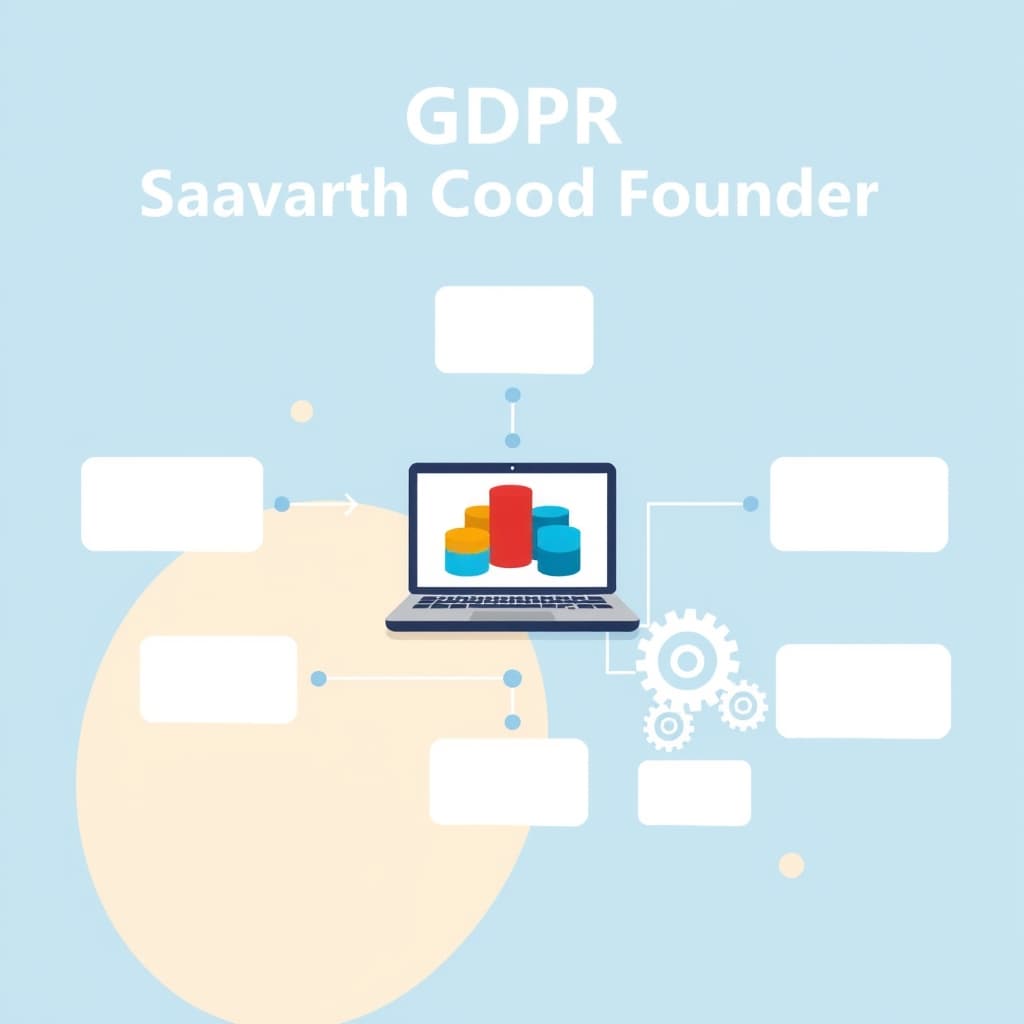
A concise 7‑step GDPR compliance checklist helps SaaS founders map data, define lawful bases, automate rights requests, and implement technical safeguards, turning privacy into a market advantage.
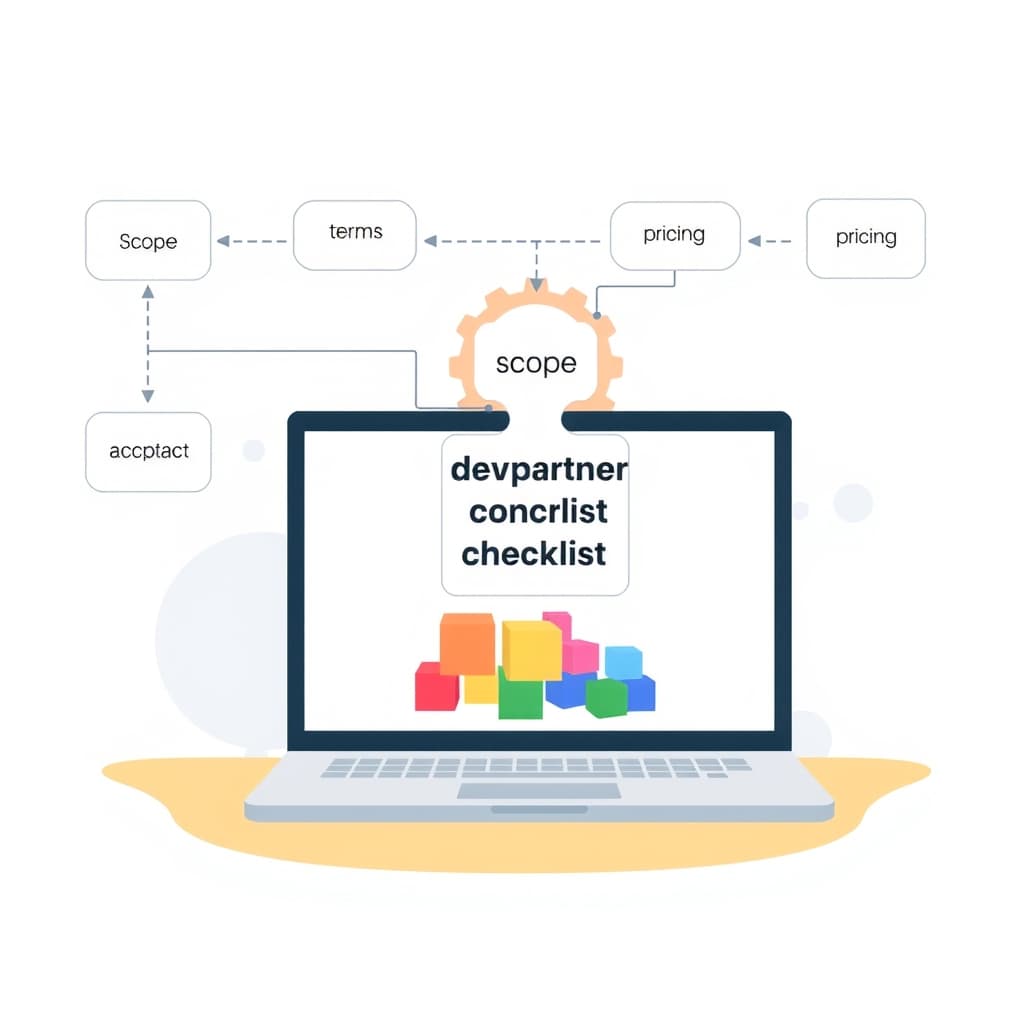
A solid dev partner contract checklist turns vague expectations into enforceable obligations, covering scope, legal terms, pricing models, and acceptance criteria for founders.