
Logistics Automation Roadmap: 6 Tools for Scaling Ops
A logistics automation roadmap aligns tools and teams, turning siloed fixes into a scalable, data‑driven operation with six must‑have solutions for modern supply chains.

Field notes on product strategy, delivery, launch work, AI tooling, and the systems behind teams that outgrew spreadsheets.
A logistics automation roadmap aligns tools and teams, turning siloed fixes into a scalable, data‑driven operation with six must‑have solutions for modern supply chains.
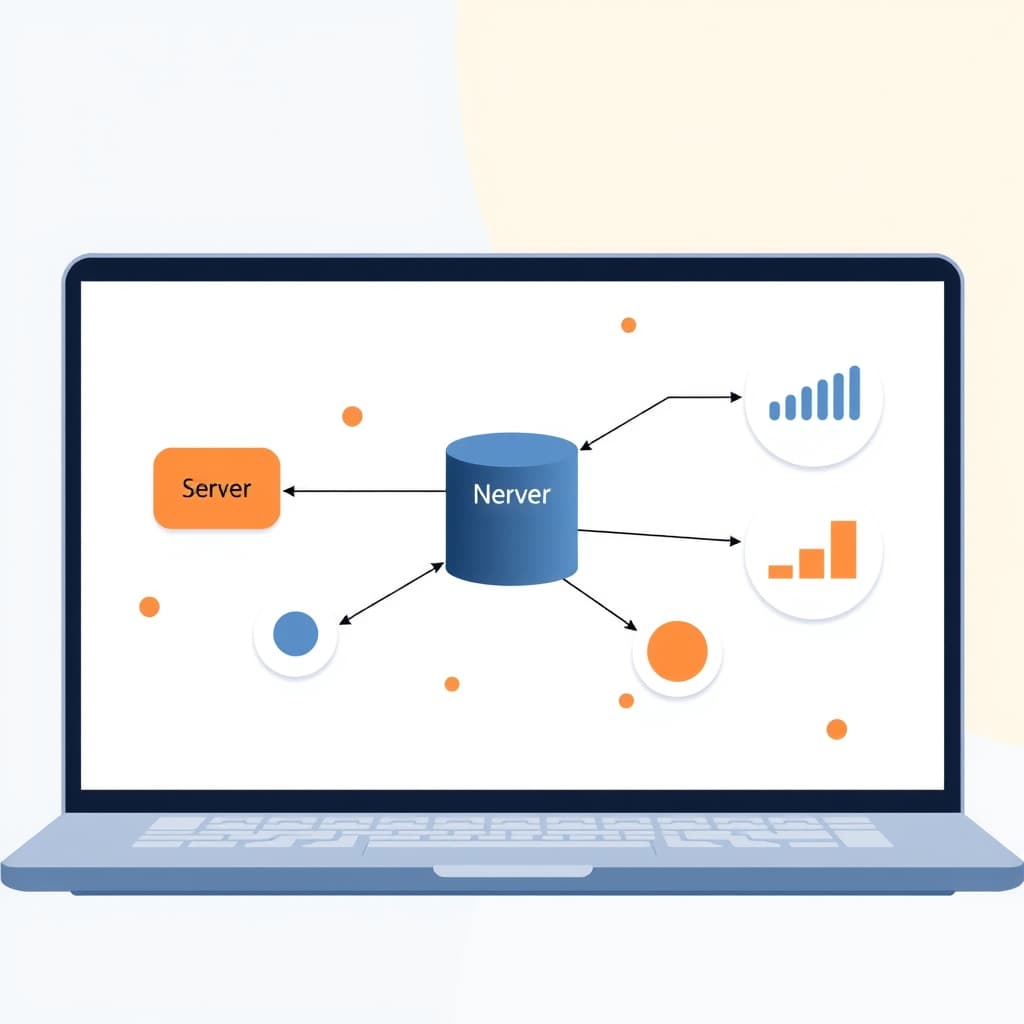
Next.js server components separate server‑side rendering from client UI, reducing JavaScript payloads, improving Core Web Vitals, and simplifying data fetching for growing businesses.

AI-powered document workflow automation transforms manual contract handling into fast, accurate digital flows, freeing teams to focus on revenue-generating work.
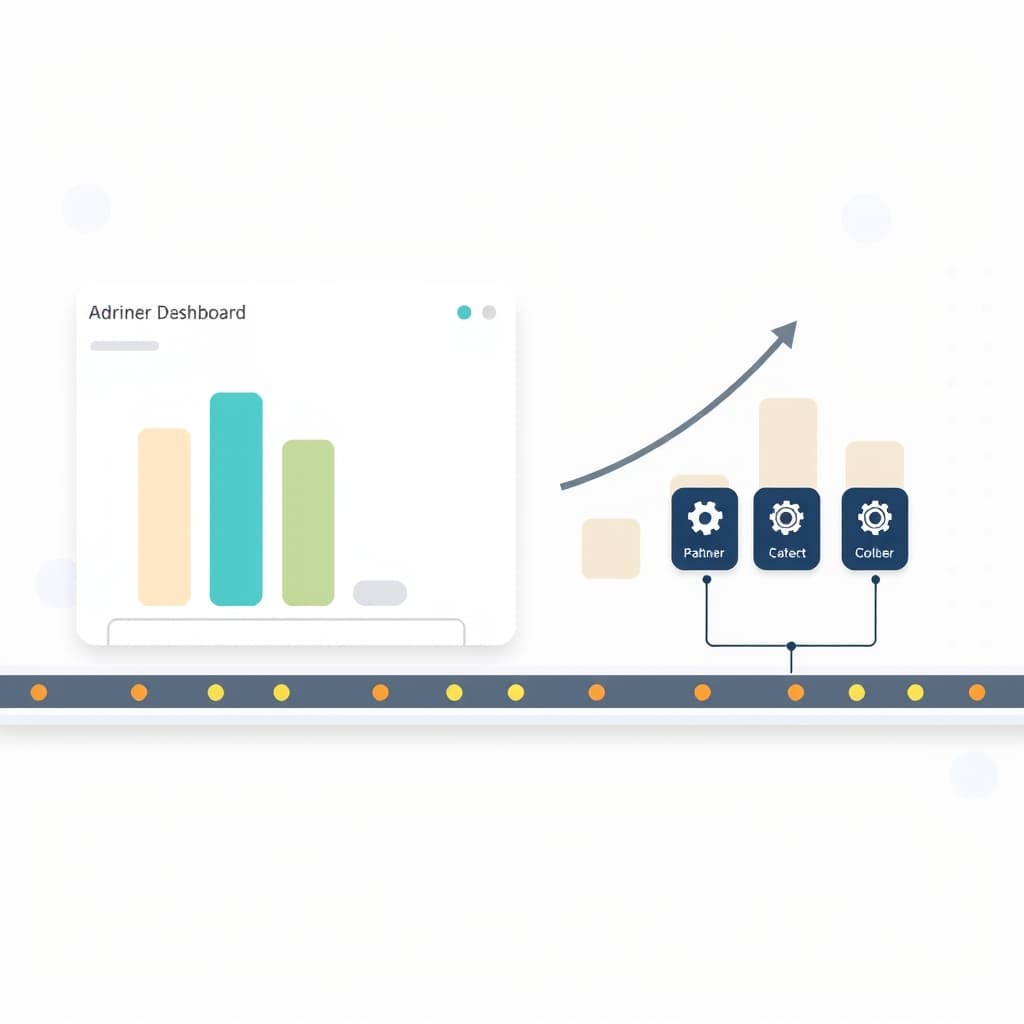
Selecting the proper dev partner pricing model lets founders forecast budgets, control scope, and keep cash burn predictable as they move from prototype to revenue‑generating service.
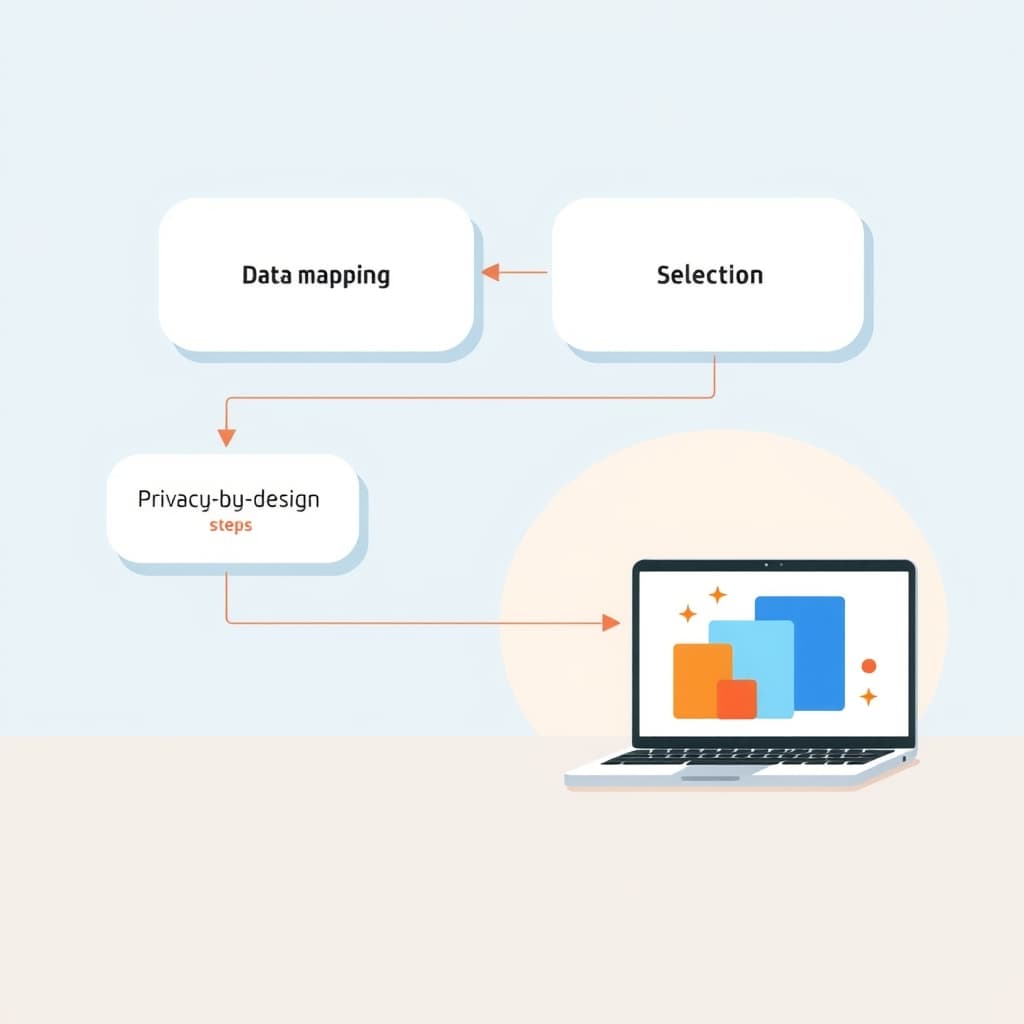
A privacy compliance roadmap guides SaaS founders through data mapping, legal framework selection, and privacy‑by‑design architecture to protect users and accelerate scaling.

Eight concrete signals—data silos, rising costs, complex logic, compliance needs, performance limits, team constraints, feature gaps, and strategic control—show when a no‑code solution should be replaced with a custom build.
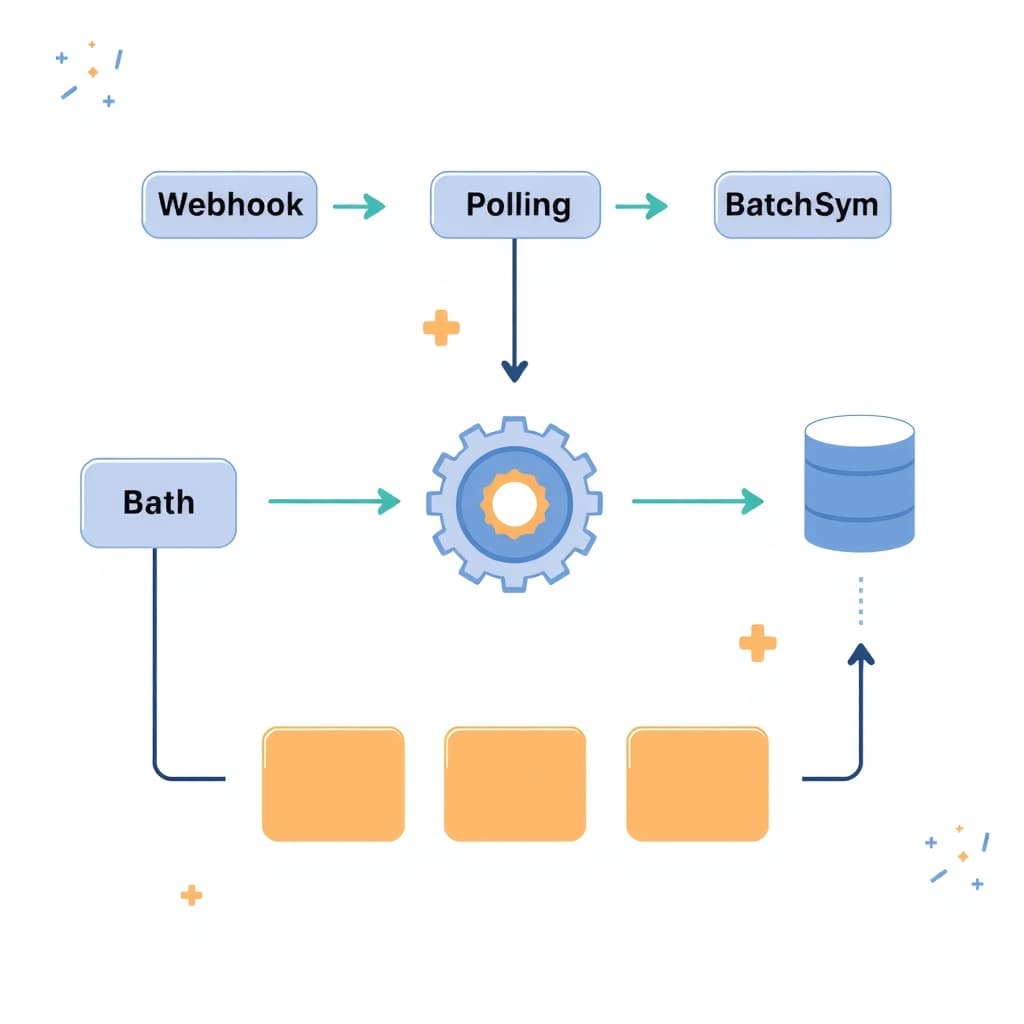
Choosing the right API integration reliability pattern—webhooks, polling, or batch sync—prevents costly failures, ensures data consistency, and keeps engineering focused on growth.
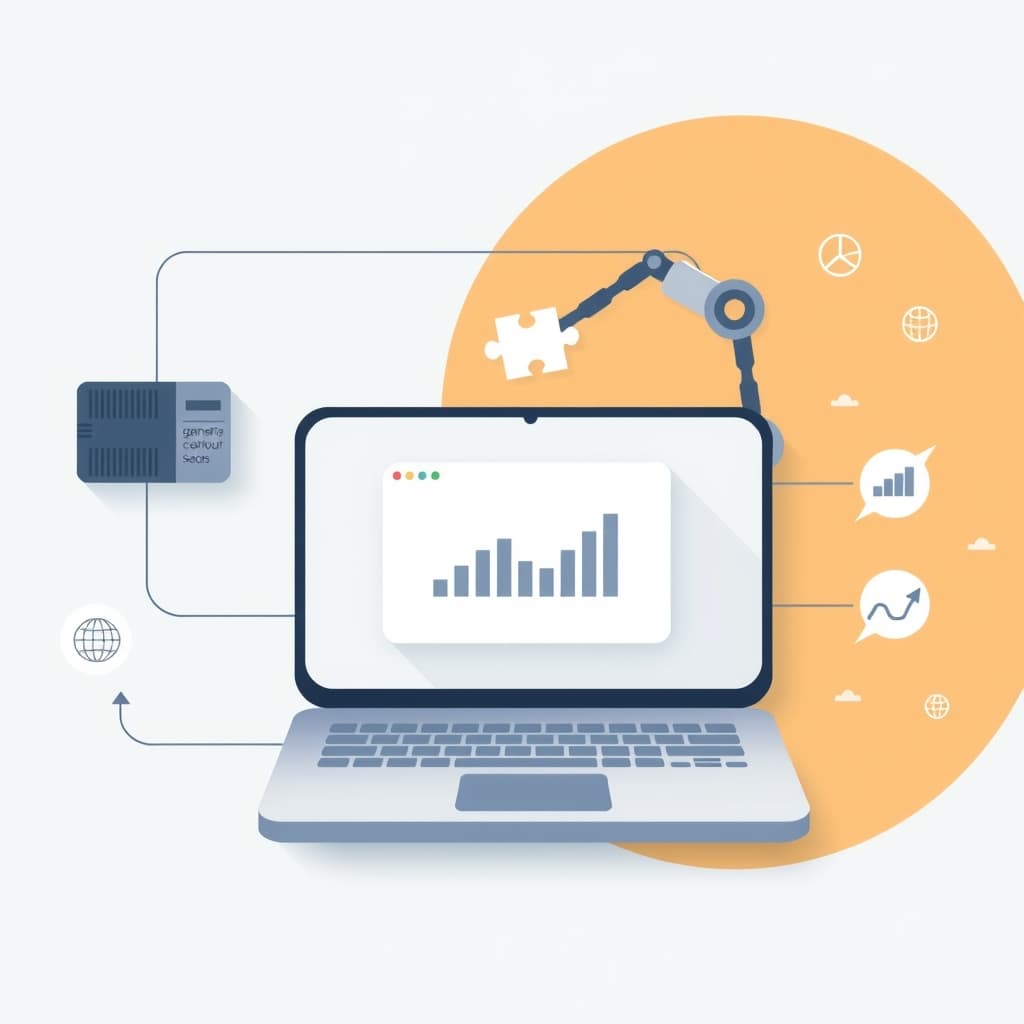
A smooth first‑week onboarding—quick provisioning, automated roles, and clear metrics—significantly reduces churn for multi‑tenant SaaS products.

A disciplined AI feature evaluation—defining success metrics, building a test harness, using ground‑truth data, and running controlled A/B tests—turns experimental models into reliable product features.

A practical guide for founders and product leaders on building accessible SaaS dashboards that improve adoption, lower support costs, and ensure inclusive data insights.

A secure B2B partner portal centralizes authentication, enforces role‑based access, encrypts data, and meets compliance, turning a simple login into a scalable, adoption‑driving platform.
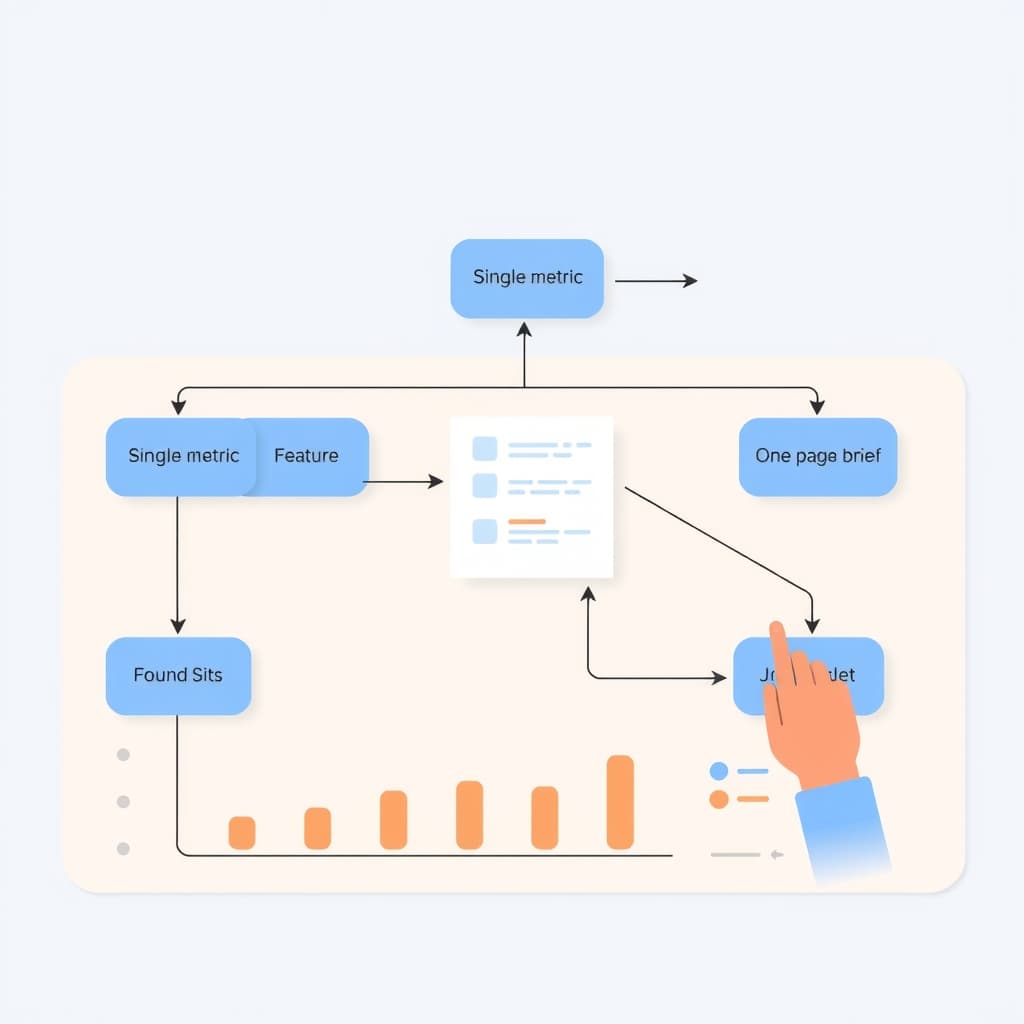
A disciplined MVP scoping checklist helps founders define the core problem, pick a single success metric, prioritize features with RICE, and create a one‑page brief for accurate vendor quotes.